



Supported Independent Living (SIL)
Thrive medical are a registered NDIS provider that offers Supported Independent Living (SIL) options which are funded under the National Disability Insurance Scheme (NDIS) in Australia. SIL refers to a type of support that helps NDIS participants with disabilities live as independently as possible.
SIL is focused on providing assistance with daily tasks and helping participants develop skills to enhance their independence. The types of support included in SIL include personal care, household tasks, health, and well-being support and social and community participation. SIL can be provided in various settings, such as shared living arrangements with other NDIS participants or individual accommodation. The support can be tailored to each participant’s needs, whether they require 24/7 assistance or only support during certain parts of the day.
The level of funding and the type of support provided are determined based on the participant’s individual needs and goals, as assessed during the planning process. SIL aims to enhance the independence, choice, and control of NDIS participants by providing tailored support that helps them live as independently as possible whilst ensuring their safety and well-being. Should you require any additional information on SIL, please come in and speak to one of our friendly NDIS team members
Supported Independent Living (SIL)
Thrive Medical are a registered NDIS provider that offers Support Coordination to the Broken Hill Community. Support coordination is a role within the framework of disability services, designed to assist individuals with disabilities in navigating and utilising their NDIS plan effectively. The key responsibilities of a support coordinator include:
Assessment and Planning
Understanding the individual’s needs, goals, and preferences to assist them in developing a personalised support plan.
Service Coordination
Identifying and connecting the individual with appropriate service providers, such as Allied health therapies, social services, and community resources.
Resource Management
Help manage the resources allocated in the individual’s NDIS plans, including budgeting, and ensuring services are delivered within the allocated funding, this also involves liaising with plan managers if required
Monitoring and Reviewing
Regularly checking in with the participant and ensuring the effectiveness of the NDIS plan and services, making necessary adjustments, and ensuring the services are meeting the individual’s needs and goals.
Advocacy and Empowerment
Advocating for the individuals’ rights and choices, empowering the participants to make informed decisions, and promoting independence.
Crisis Management
Providing immediate support and coordination in case of emergencies or significant changes in circumstances.
Documentation and Reporting
Keeping accurate records of individual progress, services delivered, any changes to the support plan, ensuring compliance with relevant policies and regulations.
Overall, the role of a support coordinator is crucial in helping individuals with disabilities lead fulfilling lives by effectively managing and coordinating their support networks.
In-Home Respite Services
In-home respite is a type of service designed to provide temporary relief for primary caregivers of individuals with disabilities, chronic illnesses, or other special needs. The key aspects of in-home respite include:
Temporary Relief
It provides caregivers a break from their responsibilities, allowing them time to rest, attend personal matters, prevent carer burnout, or simply to take a break to recharge.
Home-Based-Care
The care is provided within the individual’s own home, maintaining a familiar and comfortable environment for the person receiving care.
Personalised Support: The care is tailored to the specific needs of the individual, which can include assistances with daily activities, medical care, companionship, and supervision.
Flexible Scheduling
Services can be arranged from various durations, from a few hours to several days, depending on the needs of the caregiver and the individual.
Enhancing Quality of Life
Ensures that the individual continues to receive high-quality care while the primary caregiver takes a necessary break, contributing to the overall well-being of both the caregiver and the care recipient.
Professional Caregivers
Respite care is provided by our trained support worker staff at Thrive medical who are experienced in dealing with various care needs.
In-home respite is a vital service that supports the sustainability of caregiving arrangements by preventing caregiver burnout and ensuring that individuals continue to receive consistent and attentive care.
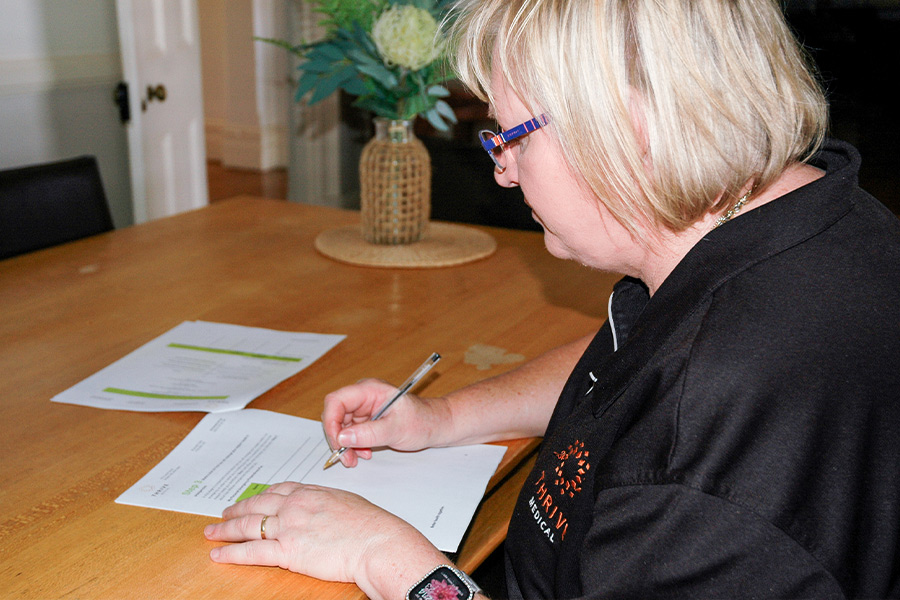
Assistance with Daily Activities
Assistance with daily activities (often referred to as Activities of Daily Living, or ADLs) involves providing support to individuals who may have difficulties performing essential routine tasks due to age, disabilities, illness, or other conditions. The goal is to help these individuals maintain their independence and quality of life. The Key components include:
Personal Hygiene
Helping with bathing, grooming, oral care, and other personal hygiene tasks to ensure cleanliness and well-being.
Dressing
Assisting with choosing appropriate clothing and helping individuals get dresses.
Mobility
Supporting the individual move around the home safely, including transferring in and out of bed, using mobility aids and ensuring safe navigation of living spaces.
Toileting
Help with using the toilet, managing incontinence, and maintaining personal dignity.
Feeding
Helping with earing and drinking, which may include meal preparation, feeding, and ensuring proper nutrition and hydration.
Medication management
Assisting with the administration of medications from a webster pack, ensuring they are taken as prescribed and on time.
Household Tasks
Helping with light housekeeping tasks, such as laundry, cleaning, and maintain a safe living environment.
Companionship
Offering social interaction and emotional support to reduce feelings of isolation and loneliness.
The assistance is typically provided by professional support workers, It is essential for supporting individuals in their daily routines, promoting independence, and improving their overall quality of life.
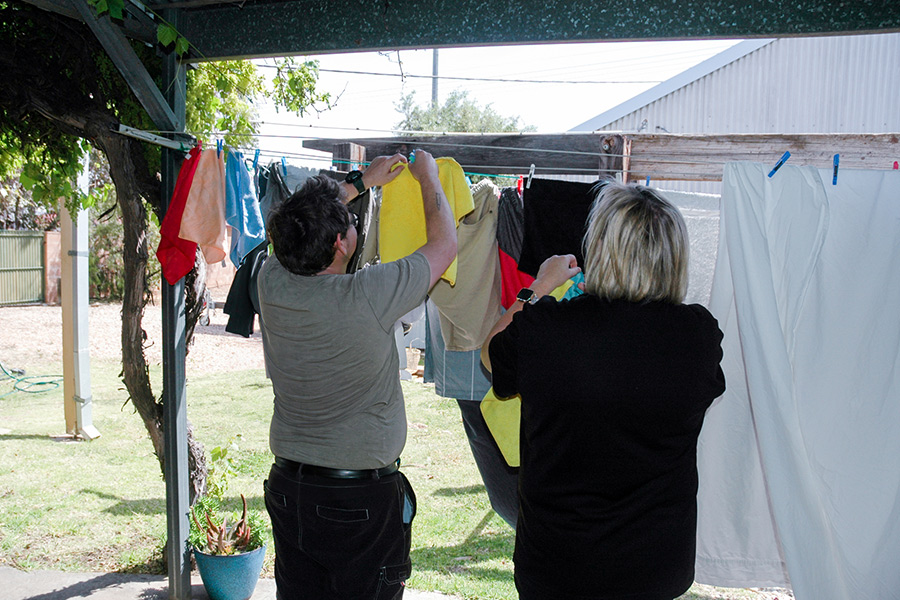
Life Skills
Life skills support provided by support workers through the NDIS aims to empower individuals with disabilities by helping them develop the skills needed to live as independently as possible. Here are some key areas where support workers can assist:
Personal Care and Hygiene
Teaching routines for bathing, grooming, and maintaining personal hygiene. Encouraging regular health check-ups and self-care practices.
Household Management
Assisting with cooking and meal preparation, including planning nutritious meals and grocery shopping. Teaching cleaning and home maintenance skills, such as laundry, tidying and basic repairs.
Budgeting and Financial Management
Helping individuals understand budgeting, saving, and managing their finances. Assisting with paying bills, using banking services, and accessing financial support if needed.
Communication and Social Skills
Supporting the development of effective communication skills, including using assistive technologies if necessary. Encouraging participation in social activities and building relationships within the community.
Transportation and Mobility
Teaching how to use public transportation, navigate routes, and plan travel. Providing support with obtaining a driver’s license or using ride-sharing services.
Employment and Education
Assisting with job search, resume writing, and interview preparation. Supporting enrolment in educational programs or vocational training to enhance skills and employability.
Support workers play a vital role In facilitating the development of these life skills, tailoring their approach to the individual’s specific needs, preferences, and goals. This support fosters independence, boost confidence, and enhances the overall quality of life for NDIS participants.
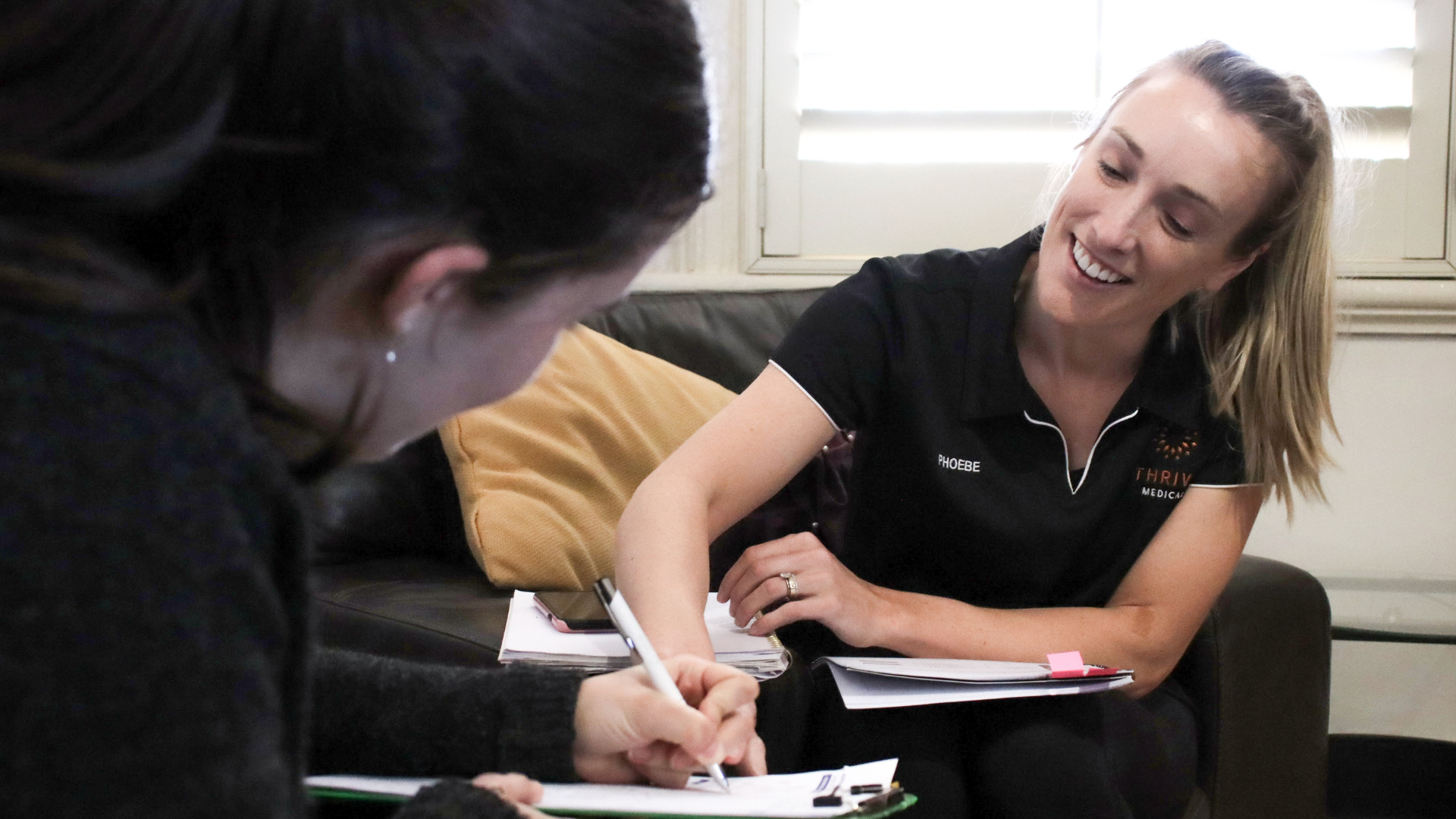
Social Skills Development
Teaching communication skills, including verbal and non-verbal interactions. Encouraging positive social behaviours and conflict resolution strategies.
Building Relationships
Assisting individuals in forming and maintaining friendships and relationships. Providing support in understanding social cues and cultural norms.
Community Access and Involvement
Helping individuals navigate their local community and access public services and amenities. Supporting participation in community events, clubs, and groups that align with their interests.
Recreational Activities
Encouraging engagement in hobbies, sports, and leisure activities. Facilitating access to recreational facilities and programs.
Volunteer and Work Opportunities
Assisting individuals in finding and participating in volunteer work, which can build skills and community connections. Supporting access to employment programs and workplace inclusion.
Travel Training
Teaching how to use public transportation, including planning routes and understanding schedules. Providing support obtaining travel passes or accommodations as needed.
Cultural and Artistic Engagement
Encouraging participation in cultural events, art classes, and performances. Facilitating access to museums, galleries, and other cultural institutions.
Health and Fitness
Supporting participation in physical activities and fitness programs. Encouraging involvement in sport teams or fitness clubs.
Advocacy and Empowerment
Helping individuals understand their rights and advocate for themselves. Supporting participation in self-advocacy groups and initiatives.
Building Independence
Teaching life skills that promote autonomy, such as decision-making and self-management. Encouraging confidence and self-esteem through social interactions and community involvement.
By promoting social and community participation, support workers help individuals with disabilities build meaningful connections, enhance their social networks, and improve their overall quality of life. This support is tailored to each person’s goals, interests, and abilities, ensuring that they can participate fully and inclusively in society.
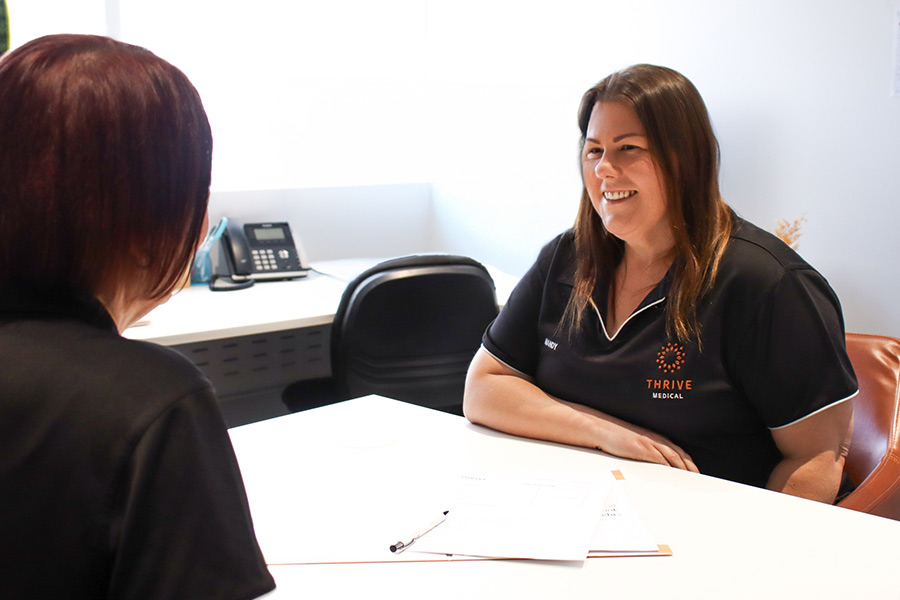
Participant Matching
Thrive use a detailed and personalised approach to match support workers with NDIS participants. The goal is to ensure that the support worker’s skills, experience, and personality align well with the participant’s needs, preferences, and goals. Please see the process below:
Assessment of Participants Needs
Thrive conduct a comprehensive assessment of the participants needs, goals, preferences, and support requirements. Review the NDIS plan to understand the specific services and supports funded and required.
Participant Preferences
Discuss with the participant (and their family or caregivers) their preferences regarding the qualities they seek in a support worker, such as gender, age, language, cultural background, and personality traits. Consider any specific requirements or requests, such as experience with certain disabilities or conditions.
Profile of Support Workers
Thrive maintain detailed profiles of support workers, including their qualifications, experience, skills, availability, and personality traits. All our staff have background checks completed, and relevant training.
Meet and Greets
Thrive arranges initial meetings between the participant and potential support workers to assess compatibility.
Continuous Training and Development
Thrive provides ongoing training and development opportunities for support workers to enhance their skills and stay updated on best practice. This ensures our support workers are prepared to meet the evolving needs of the participants.
By following this detailed process, Thrive aims to create successful and lasting matches that enhance the participants quality of life and ensure they receive the support they needs effectively and empathetically.
Frequently Asked Questions
Does Thrive NDIS Department currently have capacity for Support Coordination?
Yes
Does Thrive NDIS Department currently have capacity for Supported Independent Living (SIL) options?
Yes
Does Thrive NDIS Department currently have capacity for Social Participation and Self-Cares?
Yes
What services does Thrive offer?
Thrive offers a range of different services for participants under the NDIS scheme, please come in and have a conversation with Gemma our Care Services Manager who will provide you with any information you require.
Email Gemma at gemma@thrivemed.com.au or call (08) 8087 9383.
Does Thrive NDIS Department currently have capacity for Support Coordination?
Our NDIS team can assist you by linking you with the appropriate service providers in Broken Hill to start your application process, we are here to help you navigate the complexities of the scheme.
Email Gemma at gemma@thrivemed.com.au or call (08) 8087 9383.
Social and Community Participation
Social and community participation is an essential aspect of personal development and well-being, especially for individuals with disabilities. Under the NDIS, support workers play a crucial role in facilitating this participation. Here are key components of social and community participation supported by the NDIS: